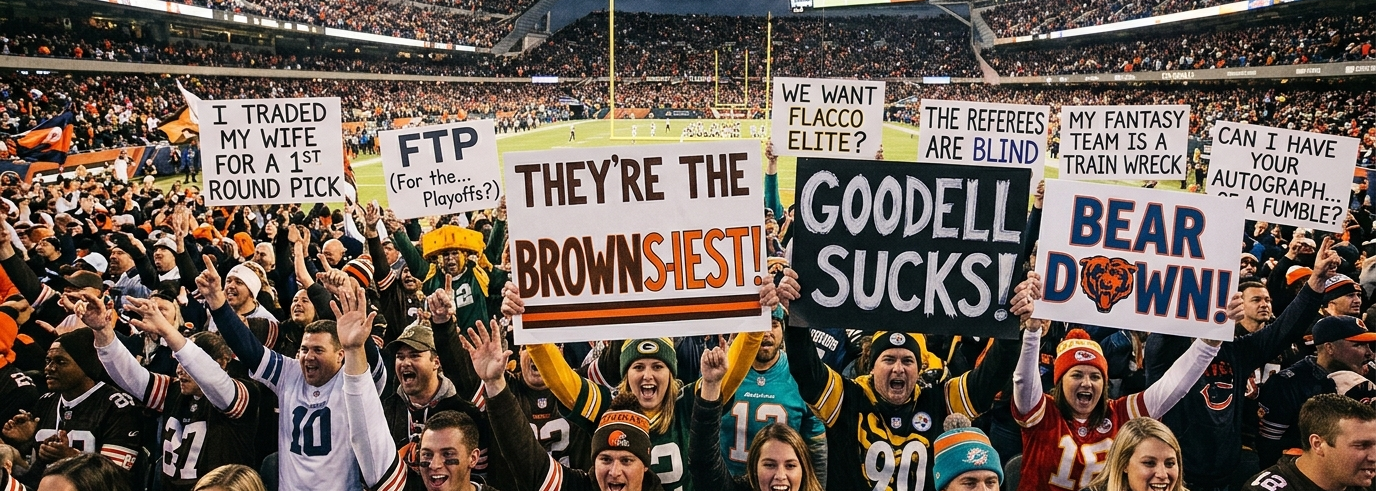

By the time Friday rolls around, every fantasy manager in your league has already burned through their FAAB, scoured the waiver wire for hidden gems, and stared at the weekly consensus rankings until their eyes bled. But setting a winning lineup isn't as simple as blindly following a top-10 projection sheet or locking in high-draft-capital players on name value alone. True fantasy success—especially when navigating the chaotic mid-stretch of the NFL season—requires anticipating shifting game scripts, deciphering brutal target distributions, and spotting subtle matchup traps before they quietly sink your entire week.
We’ve already covered the waiver wire targets and the base positional rankings. Now, it’s time to dig deep into the crucial in-game considerations, snap-count trends, weather variables, and lineup edge-cases that separate week-winning managers from those left wondering what went wrong on Monday night.
The London Quarterback Shuffle: Marcus Mariota Gets the Call
Breaking news out of England has officially altered the fantasy landscape for Week 4: Washington Commanders head coach Dan Quinn announced on Friday that Jayden Daniels (elbow) will remain sidelined, handing Marcus Mariota his second consecutive start across the pond against the Indianapolis Colts at Tottenham Hotspur Stadium.
While Daniels has made incredible progress practicing in a protective brace following his left-elbow dislocation, the Commanders are playing it safe. For fantasy managers holding Washington pass-catchers, Mariota's presence introduces a unique dynamic. Last week, Mariota stepped in and delivered a surprising three-touchdown performance in a shootout win over Seattle, proving he can still distribute the football effectively. However, his floor remains volatile. Mariota doesn't have a great track record versus Indianapolis, but then again the Colts D suffers bouts of making backups look like Joe Montana. Terry McLaurin and the Washington receiving corps get a slight variance hit with a backup under center, but Mariota’s rushing mobility keeps him viable as a high-upside QB2 or superflex option if you're stuck in a pinch.
The Game Script Trap: Don't Get Burned by Blowout Projections
When heavy favorites take the field with double-digit point spreads, fantasy managers fall into a classic psychological trap: assuming every single skill-player on the favored roster is locked in for a massive game. On paper, it sounds logical. If a team is projected to score 30 points, their key starters should feast. In reality, massive lopsided leads completely alter offensive play-calling dynamics.
If you are starting high-end pass-catchers on teams heavily favored by 10 or more points this weekend, be prepared for a potential second-half ghost town. Once a team establishes a commanding 24-point lead heading into the third quarter, conservative coaching takes over. Offensive coordinators throw the passing playbook into cruise control, lean heavily on backup running backs, and grind the clock down to minimize injury risk.
Conversely, target volume skyrockets for trailing wide receivers in garbage time. Do not hesitate to fire up high-ceiling WR3s or pass-catching specialists on underdog squads who will be forced to throw the football 45 to 50 times just to stay competitive. Volume is the lifeblood of fantasy football, and trailing teams provide unmatched passing volume.
Breece Hall's Availability and Workload vs. Touchdown Floor
Even when a star player is managing a minor lingering injury—such as Breece Hall dealing with his recent ankle tweak—and sharing valuable reps with an explosive backup like Braelon Allen, panic-benching an elite talent is almost always a fatal mistake.
While Allen will undoubtedly siphon away some of the heavy interior work between the 20s and vulture short-yardage conversions, Hall remains the primary engine in high-value fantasy situations: dynamic target share and high-leverage red-zone touches. Hall’s elite explosive playability means he doesn’t need 25 touches to smash his projection; he can break a 50-yard touchdown or catch six passes out of the backfield on a limited snap count.
That said, Hall is currently listed as "week to week", and there's certainly a chance he doesn't go this week. However, unless definitive pre-game reports indicate he's out or will be on a strict snap limit or an active game-day scratch, keep him locked firmly into your starting lineups as an elite RB2 with true RB1 overall ceiling capability. Do not let anxiety rob you of a ceiling performance.
Target Vacuum Mechanics: The Malik Nabers Effect
We talk endlessly about Malik Nabers commanding an astronomical, historic target share in his offense, but fantasy managers often overlook the broader systemic fallout of what a true target vacuum does to the rest of the roster. When a single wide receiver commands over 35% of a team's total passing attempts week in and week out, secondary pass-catchers, tight ends, and auxiliary wideouts become virtually unstartable in standard formats.
Unless an offense is playing at a lightning-fast pace and scoring 30+ points per game as a collective unit, a singular target hog creates an absolute desert for everyone else in the receiving corps. If you are holding onto secondary options in funnel offenses that hyper-target one player, you need to seriously evaluate whether they belong on your bench or your waiver wire. Sit them down until the target distribution shows tangible signs of balancing out.
Weather Checks, Crosswinds, and Kicker Pivots
Fall weather is officially creeping into Sunday outdoor venues across the league, introducing a chaotic variable that many fantasy managers completely ignore until kickoff. Before finalizing your roster on Sunday morning, always check wind velocity reports for outdoor stadiums. While moderate rain showers rarely impact modern passing efficiency, high-velocity crosswinds and sustained gusts exceeding 15 to 20 miles per hour wreak absolute havoc on deep-passing attacks and kicking games.
- Slingers Beware: High winds drastically reduce deep-ball completion rates, forcing quarterbacks to check down to running backs and short-route tight ends, compressing the entire field.
- Kicker Pivot: If your starting kicker is slated to play in an open-air stadium facing 20 mph gusts, swap them out for an indoor or dome kicker immediately. Kicker points are pure margin, and zero-point performances from the kicker spot will cost you matchups.
Make your final lineup adjustments, lock in your flex spots with confidence, and let's go collect some crucial Week 4 wins!
Comments (0)
No comments yet. Be the first to weigh in.
Join the Discussion
Login with Google to leave a comment.
Login to Comment